
TRS Health Acquires 14,000 SF Stafford Office Building Lease to Expand Affordable Healthcare Services
STAFFORD, TX – October 2026 – TRS Health, a leading nonprofit primary care clinic serving Houston’s uninsured and underserved communities, is

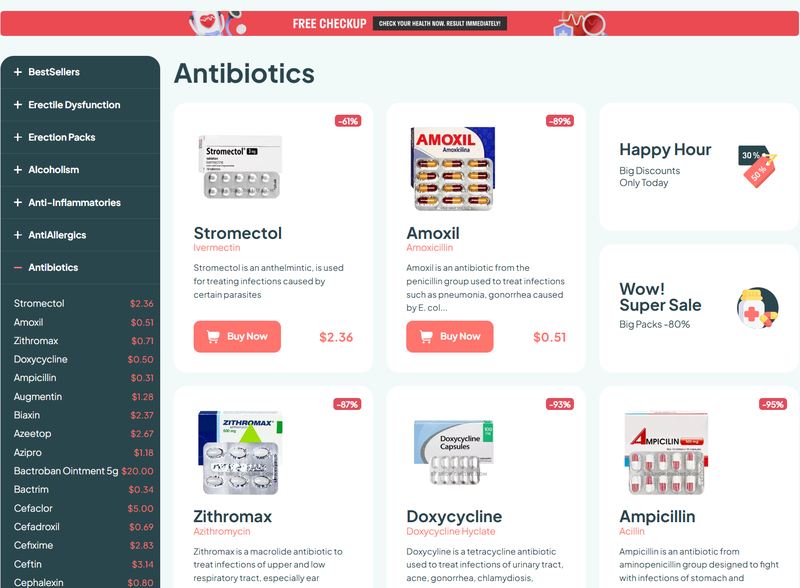
Cost Comparison: Keflex Vs
Antibiotics have long been recognized as effective treatments for managing acne. Furthermore, incomplete emptying of the bladder, kidney stones, and prolonged use of catheters are other significant risk factors. Some patients may experience allergic reactions, ranging from mild rashes to more severe symptoms such as difficulty breathing or swelling of the face and throat. These controversies highlight the importance of judiciously prescribing antibiotics to ensure their effectiveness while minimizing risks. Your healthcare provider may need to adjust the dosage of Keflex or monitor your kidney function more closely if you are taking these gout medications. Its availability in various forms such as tablets, capsules, and oral suspensions has made it even more convenient for patients to take. Notably, this broad-spectrum antibiotic is pivotal in treating upper respiratory tract infections, including ear infections, ensuring patients can breathe easier untill full recovery.
Factors Influencing the Appropriate Keflex Dosage
By weakening the bacterial cell walls, Keflex allows the immune system to better attack and eliminate the bacteria. Maintaining adequate hydration can help manage some side effects, and reporting any unusual or persistent symptoms to a healthcare professional is advised to ensure prompt resolution and prevent complications. Keflex is known to be highly effective against a wide range of bacteria, making it a popular choice for treating infections such as urinary tract infections, respiratory tract infections, and skin infections. The dosage of Keflex can vary depending on the specific type of infection being treated. When comparing the efficacy of Keflex to other antibiotics, it's crucial to understand its advantages and limitations. Effective against various strains of bacteria, Keflex is particularly adept at tackling infections of the skin, ears, bones, and urinary tract. She describes a noticeable improvement within just 48 hours of starting the antibiotic, culminating in total healing.
Lifestyle Adjustments to Minimize Side Effects
Key Differences between Keflex and Other Antibiotics:Keflex, or cephalexin, is a type of antibiotic that belongs to the cephalosporin family. It belongs to the class of drugs known as cephalosporins, which are effective in treating various bacterial infections. In cases of genuine allergy, cross-reactivity with other beta-lactams could be a concern, particularly with closely related compounds such as amoxicillin or ampicillin. However, what many people may not be aware of is its surprising connection to clear skin. This is an issue shared by many antibiotics, as pathogens evolve to survive conventional treatments. Their preventive measures and immediate interventions can be lifesaving in the event of severe allergic occurrences. In rare cases, severe allergic reactions such as swelling of the face, lips, and tongue, or difficulty breathing, may occur.
Navigating Potential Side Effects and Keflex Interactions
This versatility and wide-ranging effectiveness have positioned Keflex as a go-to antibiotic in the treatment of various bacterial infections. Keflex, a popular cephalosporin antibiotic, is primarily employed to combat bacterial infections. These can include severe allergic reactions, such as rash, itching, swelling, dizziness, or difficulty breathing. Staying hydrated, taking the medication with food, and reporting any severe reactions promptly are among the strategies shared for mitigating discomfort while on the treatment. Its ability to target both Gram-positive and Gram-negative bacteria makes it a versatile choice for many types of infections. Here is the text for the "Frequently Asked Questions about Keflex: Clearing Doubts" section, with 140 words in 4 paragraphs:. Without a complete and functional cell wall, bacteria become vulnerable and are unable to prevent the inflow of external fluids and ions, leading to their eventual swelling and bursting, a process known as lysis.
Key Uses of Keflex: Conditions It Treats Effectively
Even if symptoms subside before the course is completed, continuing with the treatment helps to avoid potential relapses and ensures a thorough recovery. When bacteria attempt to grow and replicate, they need to construct a sturdy cell wall to encapsulate and protect their cellular components. Suppose the hangover from those meds isn't just a mild headache but rather something more severe or persistent, like difficulty breathing, severe diarrhea, or a skin rash. However, it's important to note that some antibiotics, depending on their specificity and pharmaceutical companies, might carry a higher price tag or be less readily available. It is important to consult a healthcare provider before taking Keflex to ensure safety and effectiveness. The course of treatment typically ranges from 7 to 14 days but may vary based on the severity and type of the infection. It's important for patients to disclose their medical history, especially concerning allergies and kidney function, to their healthcare provider before starting treatment with Keflex.
When to Choose Keflex over Others
However, thanks to the effectiveness of Keflex, a reliable and trusted solution is available. Additionally, Keflex has certain limitations in terms of the types of infections it can effectively treat, and healthcare professionals need to be mindful of these restrictions when prescribing the medication. However, it is worth noting that some bacterial strains may be resistant to either Keflex or Amoxicillin, in which case an alternative antibiotic may be necessary. Additionally, anticoagulants such as warfarin may have their effects amplified when taken with Keflex, raising the risk of bleeding complications. It is important to take the medication exactly as directed by your healthcare provider. A significant portion remains unchanged in the bloodstream, ensuring that it reaches the infection site efficiently. The most typical indicators include skin rashes or hives, which might present as red, itchy welts on the surface of the skin.
Potential Side Effects and Precautions
Common side effects include gastrointestinal symptoms such as diarrhea, nausea, and vomiting, as well as skin rashes. Moreover, Keflex displays a broad spectrum of activity, making it effective against a wide range of both Gram-positive and Gram-negative bacteria. This imbalance can lead to an overgrowth of less-friendly organisms, such as Clostridium difficile, which is notorious for causing severe diarrhea and colitis in some individuals. Its role as a first-line defense against bacteria is earned through its effectiveness and the broad range of conditions it treats. Some commonly reported side effects of Keflex include nausea, diarrhea, and stomach upset. Cephalexin's design aimed to combat bacterial infections effectively while minimizing side effects. Regular, moderate exercise can improve circulation and immune response, which may help the body respond better to the antibiotic treatment.
Tips for Taking Keflex at the Right Dosage
Firstly, it is important to consult with your healthcare provider who can assess your specific medical condition and determine if Keflex is appropriate for you. While it's true that antibiotics can disrupt the normal gut flora, leading to C. From skin infections to respiratory issues, Keflex stands as a beacon of relief for many. One of the key benefits of Keflex is its ability to kill or prevent the growth of bacteria, thereby eliminating the infection and providing relief to the patient. This binding inhibits the transpeptidation reaction, which is crucial for the cross-linking of cell wall peptidoglycans. However, gastrointestinal issues like nausea and diarrhea are common with many antibiotics, including Keflex, Amoxicillin, and others. Keflex operates as a first-generation cephalosporin antibiotic that disrupts bacterial cell wall synthesis, effectively combating Gram-positive and some Gram-negative bacteria.
Drug Interactions to Be Aware of
Due to its effectiveness against a wide range of Gram-positive bacteria, such as Streptococcus pneumoniae, the most common pathogen responsible for bacterial pneumonia, Keflex is often prescribed to mitigate symptoms and halt the spread of infection to other respiratory system parts. Keflex is particularly effective against common bacteria that are known to cause these types of infections, such as Staphylococcus aureus. Nausea, vomiting, and diarrhea are frequently observed, but allergic reactions like rashes and itching can occur, especially among those sensitive to penicillin. Generally, adult patients are recommended to take 250-500 mg of Keflex every 6-12 hours, while pediatric patients may be prescribed lower doses. Additionally, dosage should be adjusted in patients with renal impairments to avoid potential toxicity. Like all antibiotics, Keflex (cephalexin) can cause a range of side effects, though many are relatively mild and do not require medical attention unless they persist or worsen. Keflex, known by its generic name cephalexin, is an antibiotic that belongs to the cephalosporin class.
Standard Dosage Recommendations for Adults
Overall, these unique features make Keflex a versatile and efficient antibiotic for the treatment of many different infections. It’s a common "script" for battling bacterial infections, from strep throat to urinary tract infections. It's important not to miss any doses and to complete the full course of treatment, even if symptoms improve before finishing the medication. For those considering consuming alcohol while taking Keflex, being mindful of timing can make a notable difference. Following the prescribed dosage and completing the full course of treatment is crucial in minimizing the risk of side effects. If you realize you've missed a dose of Keflex, taking immediate steps is crucial. Keflex is also utilized for prophylaxis in surgical procedures to prevent post-operative infections.
STAFFORD, TX – October 2026 – TRS Health, a leading nonprofit primary care clinic serving Houston’s uninsured and underserved communities, is